
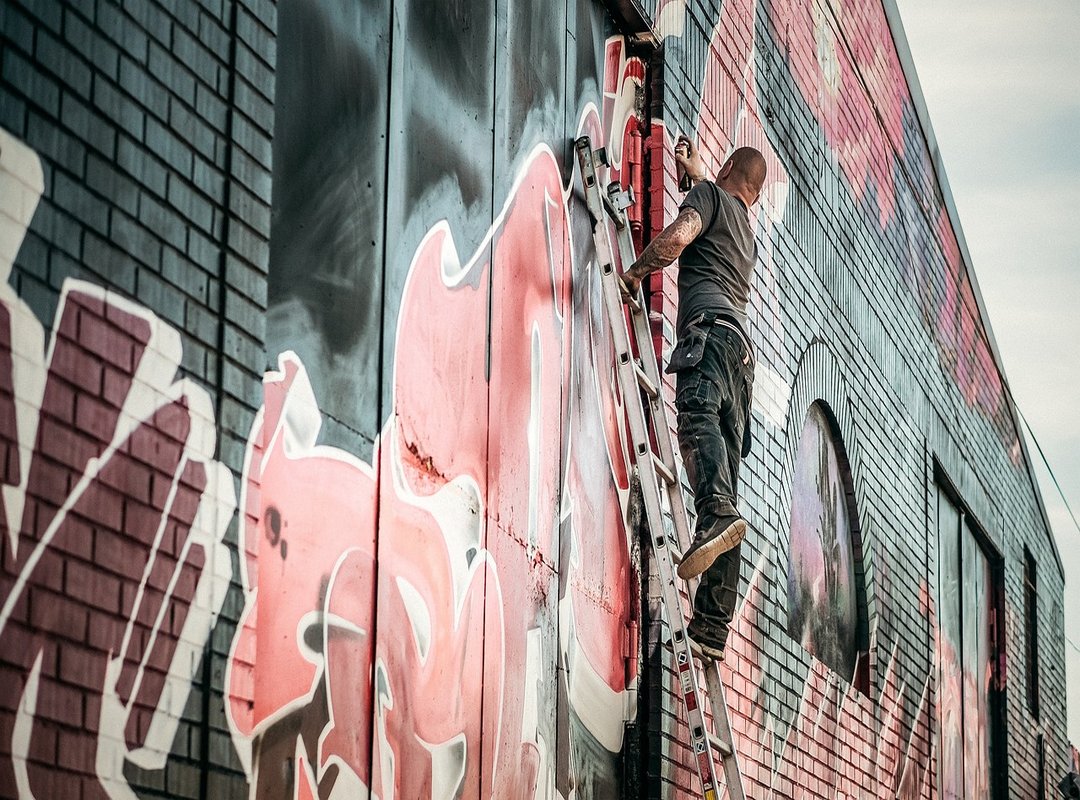
Imagine a graffiti tag on a wall suddenly pulsing with energy, or a character winking and jumping off the brick. That’s chidos graffitis animados for you. It’s the exciting intersection of urban art style and digital motion design.
This article is here to demystify how these eye-catching animations are made. I’ll provide a clear path for anyone to start creating their own. You’ll learn the core concepts, the essential tools, and a simple step-by-step process to bring your first piece to life.
And guess what? You don’t need to be a professional animator or a street artist to begin experimenting with this unique art form.
From Static Walls to Dynamic Screens: What Makes Graffiti Animated?
I remember the first time I saw chidos graffitis animados. It was on a friend’s Instagram, and it blew my mind. The letters were moving, colors were shifting, and it felt like the art was alive.
Animated graffiti is digital art that uses the aesthetics of traditional graffiti—like lettering, characters, and vibrant colors—and adds the element of motion. It’s not just about making static images; it’s about bringing them to life.
There are two main types of animated graffiti. One is purely digital, created on a computer or tablet. The other, known as ‘gif-iti,’ involves projecting animations onto real-world surfaces.
Both have their unique charm and challenges.
The rise of social media platforms like Instagram, TikTok, and Behance has given artists a new way to showcase their work. These platforms allow for dynamic, shareable content that can reach a global audience. It’s a game-changer for street artists who want to break out of their local scenes.
Key visual elements in animated graffiti include bold outlines, energetic color palettes, and expressive lettering. These elements, when combined with movement, create a powerful and engaging experience. The motion enhances the energy and attitude that are so central to street art.
The core appeal of animated graffiti is its ability to capture the raw, rebellious spirit of street art in a format that can be shared and experienced anywhere. It’s not just about seeing the art; it’s about feeling it move and come to life.
Your Digital Toolkit: The Essential Gear for Animation
When it comes to animation, having the right tools can make all the difference. Let’s break it down into hardware and software.
Hardware Recommendations
You don’t need a fancy setup to start. An iPad with an Apple Pencil is a great choice. It’s portable and versatile.
If you prefer a more traditional setup, a graphics tablet like a Wacom or Huion connected to your computer works well too. Even a smartphone can be a starting point if you’re on a budget.
Beginner-Friendly Software
For beginners, Procreate is a fantastic option. Its Animation Assist feature makes it easy to create frame-by-frame animations. Clip Studio Paint is another solid choice.
Both are powerful and user-friendly, making them great all-in-one solutions for drawing and animating.
Professional-Grade Software
Once you get more serious, you might want to look at industry-standard tools. Adobe After Effects is a go-to for complex motion graphics. Adobe Animate is perfect for traditional frame-by-frame animation.
These tools are robust but come with a learning curve.
Practical Advice
Start with lower-cost or free software to learn the fundamentals. This way, you can figure out what you like without breaking the bank. Once you’re comfortable, you can invest in more advanced tools.
Remember, the best tool is one you use regularly. Whether it’s chidos graffitis animados or a full-length animated film, the key is to keep practicing and experimenting.
Your First Piece: A 5-Step Guide to Making Graffiti Move

Step 1: Sketch Your Design
Start with a strong foundation. Whether you’re sketching on paper or using a digital app, focus on clear lettering or a simple character. This is your base, and it’s crucial for the rest of the process. chidos graffitis animados
Step 2: Digitize and Layer
Once you have your design, digitize it. Separate elements onto different layers—outline, color fill, background, highlights. This step is key to easy animation.
It lets you tweak each part without messing up the whole thing.
Step 3: Create Keyframes for Core Motion
Keyframes are the start and end points of an action. For example, if you want a letter to bounce, set one keyframe at the start and another at the highest point of the bounce. This is how you define the core motion in your chidos graffitis animados.
Step 4: Smooth it Out with In-Betweens
Add frames between the keyframes to create fluid motion. This is where ‘easing’ comes in. Easing makes movements look more natural and less robotic.
It’s like adding the smooth transitions that make your graffiti flow.
Step 5: Export and Share
Finally, save your animation as a GIF or an MP4 video file. This step is all about making sure your work is ready for sharing on social media or in a portfolio. You’ve put in the effort, now it’s time to show it off.
By following these steps, you’ll not only create something visually impressive but also gain skills that can be applied to other projects. The benefits? You’ll stand out in the art community, and your work will get noticed.
Masters of Motion: Finding Your Animated Graffiti Style
When it comes to animated graffiti, the possibilities are endless. You’ve got the boiling line or wobble effect that adds a dynamic, almost shaky feel. Then there’s the simple color flash, which can make your work pop with vibrant energy.
But let’s not forget the more complex character movements. These can bring your art to life in ways you never imagined. To get inspired, check out top-tier examples on Instagram.
Search for hashtags like #motiongraffiti, #graffanimation, and #animatedgraffiti.
You’ll find a wealth of creativity there, and study the work you admire. Ask yourself, “What makes this animation feel energetic?
How did they create that effect?” It’s all about understanding the techniques and applying them creatively.
Developing a personal style is key. Blend your own graffiti aesthetic with the animation techniques you enjoy. Inspiration is just the starting point.
The goal is to create something unique, not just copy what others have done.
Chidos graffitis animados are a great example. They blend traditional graffiti with modern animation, creating a style that’s both fresh and familiar. Remember, the best way to stand out is to stay true to your vision while pushing the boundaries of what’s possible.
It’s Your Turn to Press Play on Your Creativity
You now understand what animated graffiti is, the tools needed, and the fundamental steps to create it. Chidos graffitis animados is an accessible skill for any artist willing to experiment.
Start small. Don’t worry about perfection on your first attempt. The goal is to learn and have fun.
Pick one letter, open an app, and try making it bounce. Your journey into animation starts with that single movement.
The endless creative possibilities that open up when static art is given the gift of motion are truly empowering.