
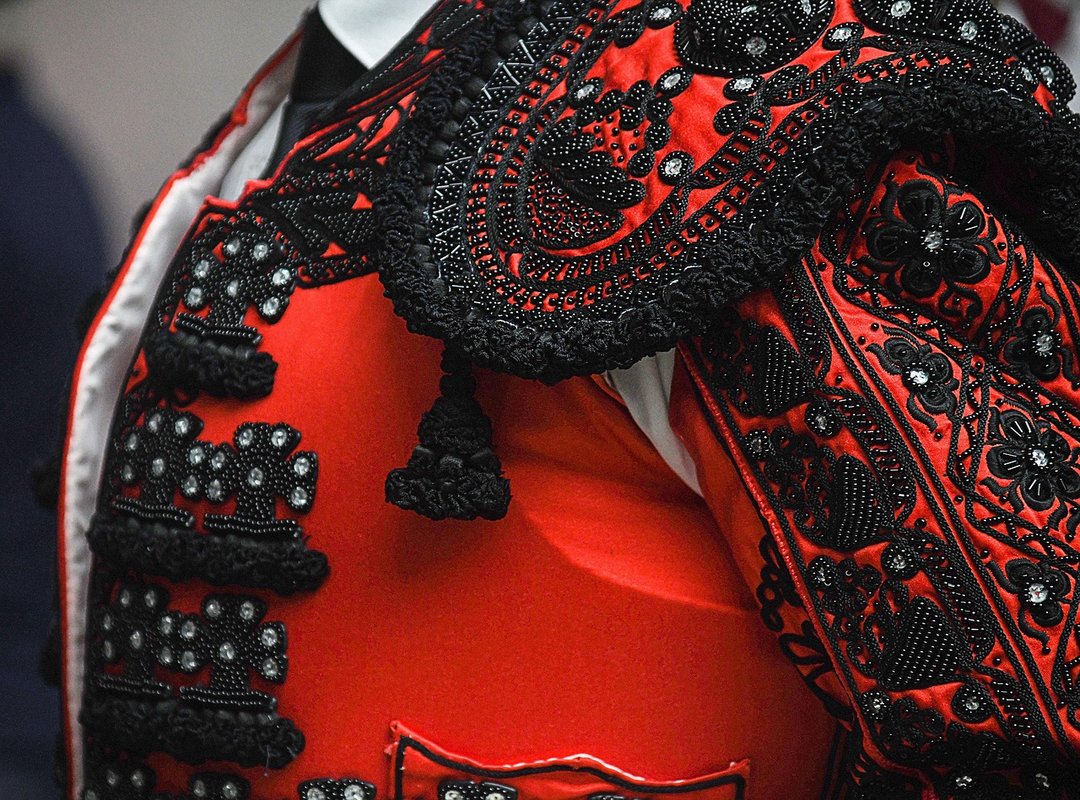
The sound of a pasodoble fills the air, powerful and stirring. It’s like you can almost feel the energy of a Spanish festival or the tension in a bullring.
You might know this one as Torera Virgen. But what’s the story behind this iconic piece?
This article will dive into the history, meaning, and cultural impact of Torera Virgen.
By the end, you’ll have a deeper appreciation for the music. You’ll understand its origins and the story it tells.
It’s more than just bullfighting music; it’s a piece of Spanish cultural history.
What is the ‘Torera Virgen’ Pasodoble?
A pasodoble is a fast-paced Spanish military march with a 2/4 time signature. It’s like a quick, steady beat that makes you want to march in step.
The title Torera Virgen translates to “Virgin Bullfighter.” Imagine a young, pure bullfighter stepping into the ring for the first time. The imagery is both bold and intriguing.
- Dramatic trumpet fanfares.
- Strong percussion.
- Soaring melody.
These elements make Torera Virgen stand out. You can almost hear the trumpets blaring and the drums pounding, creating a sense of grandeur and excitement.
This piece is a concert pasodoble, which means it was composed for performance rather than for a bullfight procession. It’s meant to be enjoyed in a concert hall, not just at a bullring.
Composed by Manuel L. Quiroga in 1947, Torera Virgen captures the spirit and drama of Spanish culture. The music fills the air with a vibrant, almost cinematic quality, making it a memorable experience.
The History and Inspiration Behind the Music
Manuel López-Quiroga was a big deal in Spanish music. You might not have heard of him, but trust me, he was like the Beyoncé of his time.
Spain in the 1940s was a different world. Post-war, people were looking for something to lift their spirits. Music became a way to celebrate and find some joy.
López-Quiroga’s torera virgen is a perfect example. Now, you might be wondering, was it about a specific female bullfighter? Or just a fancy name?
Turns out, it was more symbolic. It evoked the purity and bravery of the matadors, without naming anyone in particular.
Pasodobles, like torera virgen, are all about celebrating bravery and national pride. They’re like the soundtrack to a grand, dramatic spectacle. Think of it as the musical equivalent of a Marvel movie, but with more capes and less CGI.
The piece started small, with a few performances here and there. But it didn’t take long for it to catch on. Soon, it was a staple in the repertoire of Spanish bands.
Everyone wanted a piece of torera virgen.
Famous orchestras and bands jumped on the bandwagon. They recorded and performed torera virgen all over the place. It was like a viral hit, but in the days before the internet. find out more
So, next time you hear torera virgen, remember it’s not just a song. It’s a slice of history, a celebration of culture, and a reminder that even in tough times, music can bring us together.
Cultural Significance: More Than Just Arena Music
Start with an anecdote about the first time I heard torera virgen at a bullfight. The music filled the air, and I felt a shiver down my spine. It was like nothing I’d ever experienced before.
You hear this music during the paseíllo, the opening parade at a bullfight. It’s also a staple at festivals across Spain.
In verbenas—local street festivals—it creates an atmosphere of festivity and tradition. People dance, eat, and celebrate, all to the sound of this iconic music.
It’s used in Spanish films and TV shows too. Directors know it instantly sets a culturally specific scene. You hear those first notes, and you’re transported to a bustling Spanish town.
Think of its cultural status in Spain like a John Philip Sousa piece in the United States. It stirs up national pride and a sense of shared history.
Torera virgen is a cornerstone of many festivals. For example, in Seville during the Feria de Abril, you can’t escape it. It’s everywhere, and it feels right.
Traditionalists cherish it, seeing it as a link to their heritage. But younger generations and those critical of bullfighting have mixed feelings. They see it as a symbol of a controversial past.
- Torera virgen at the paseíllo.
- Festivals and verbenas.
- Spanish media and cultural scenes.
- A mix of admiration and criticism.
No matter what, torera virgen is a part of Spain’s cultural fabric. It stirs emotions and sparks conversations.
How to Listen: A Guide to Appreciating the Composition
When you first listen to Torera Virgen, start with the opening trumpet call. It’s a bold, attention-grabbing moment that sets the tone for the entire piece.
The strong marching rhythm of the percussion is another key element. It drives the music forward and gives it a sense of purpose and energy.
Torera Virgen is structured into distinct sections. The energy builds gradually, reaching a powerful climax before resolving in a satisfying way. This structure is typical of the pasodoble style, which is known for its dramatic flair.
Listen to different interpretations of Torera Virgen. You might find one by a traditional banda municipal and another by a full symphony orchestra. Notice how the banda municipal version has a more authentic, local feel, while the symphony orchestra brings a richer, more layered sound.
Pay attention to the interplay between the brass and woodwind sections. This back-and-forth is a hallmark of the pasodoble style and adds depth and complexity to the music.
After a few listens, you’ll start to pick up on these elements and appreciate the composition even more.
The Enduring Power of a Spanish Anthem
Torera Virgen is a masterfully composed concert pasodoble with a rich history. Its significance extends far beyond the bullring, embedding it deep within Spanish cultural celebrations. Understanding the story behind the music enhances the listening experience.
The piece’s timeless ability to evoke a sense of drama, passion, and Spanish identity is remarkable. Listen to the piece with this new knowledge and share it with others.