
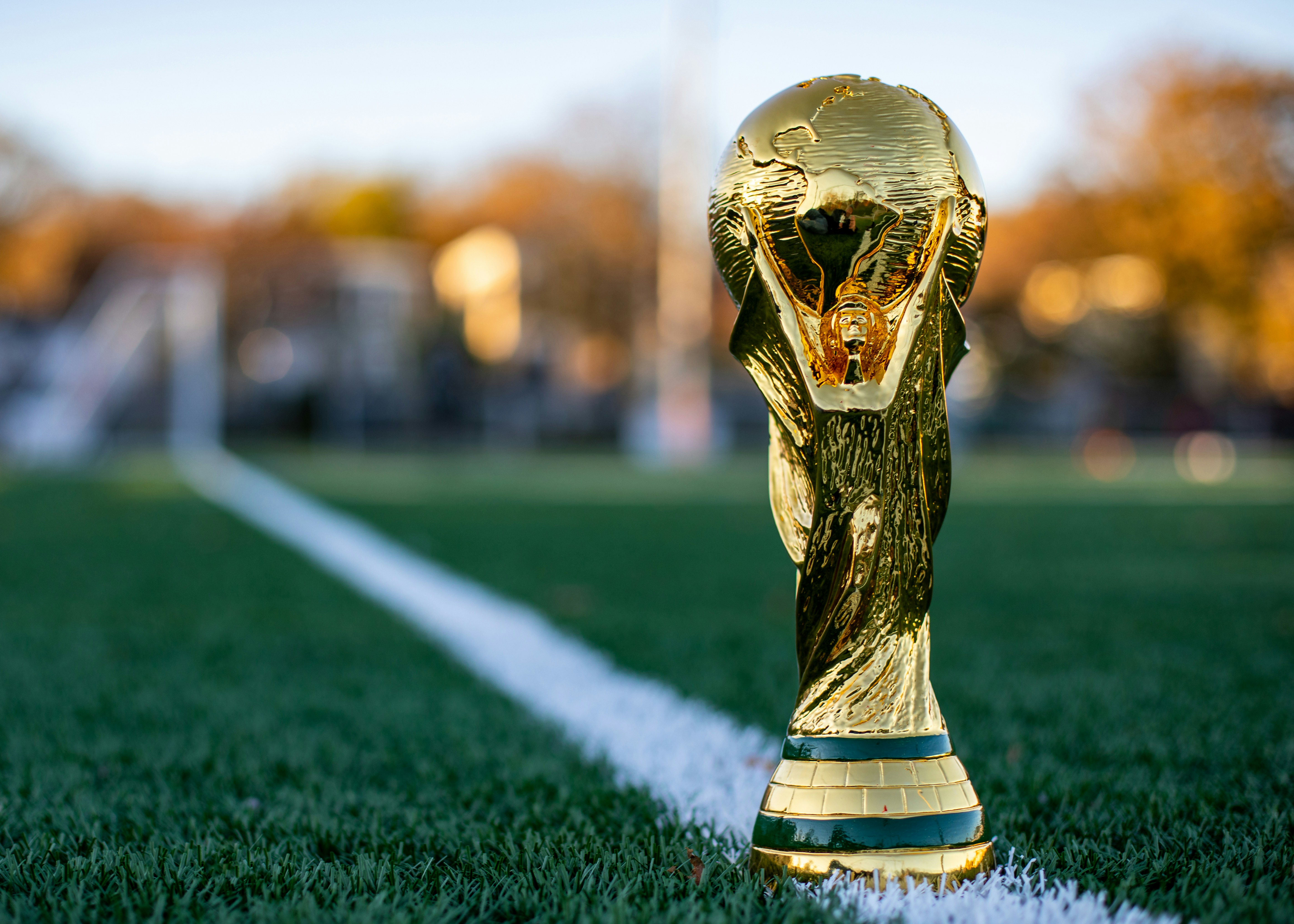
The 2026 FIFA World Cup is expected to become one of the largest sporting events in history, and investors are already watching which companies could benefit financially from the tournament. Hosted across the United States, Canada, and Mexico, the expanded competition will feature 48 national teams and 104 matches, creating enormous opportunities for industries tied to advertising, hospitality, sportswear, streaming, betting, transportation, and consumer entertainment.
Historically, major sporting events generate significant increases in consumer spending and brand exposure. During the 2022 FIFA World Cup in Qatar, FIFA reported a global audience reach of approximately 5 billion people across television, streaming, and digital platforms, while the final alone drew around 1.5 billion viewers worldwide.
With the next tournament being hosted in North America for the first time since 1994, analysts believe several publicly traded companies could see increased revenue, consumer engagement, and stock market momentum leading into and during the event.
As football conversations continue growing globally around ticket demand, sponsorships, streaming coverage, and even discussions surrounding World Cup favourites 2026, investors are increasingly identifying sectors likely to benefit from football’s biggest tournament.
NKE Could See Strong Merchandise Growth
Nike is widely expected to benefit from increased football merchandise sales during the tournament.
Nike sponsors several major national teams and elite footballers, meaning the following categories could accelerate during pre- and post-World Cup season:
- Replica jersey sales
- Lifestyle apparel
- Tournament-themed marketing campaigns
- Boot launches
According to Statista, Nike generated over $51 billion in revenue during fiscal year 2024, with international sportswear remaining a key growth area.
Major tournaments historically boost football-related apparel demand significantly, especially when star players perform well internationally.
North American hosting may also help Nike strengthen football engagement further within the United States market, where soccer viewership continues growing rapidly.
DIS and Sports Broadcasting
Sports broadcasting companies are also projected to benefit heavily from World Cup-driven advertising revenue.
The Walt Disney Company, through ESPN and streaming assets, remains deeply connected to global sports coverage. Although broadcasting rights vary regionally, major tournaments consistently increase:
- Advertising demand
- Streaming subscriptions
- Viewer engagement
- Sponsorship activity
According to Deloitte, live sports remain one of the strongest drivers of premium advertising spending because audiences are far more likely to watch broadcasts live rather than delayed.
World Cup-related content also generates strong digital engagement across YouTube, social media, and streaming platforms tied to media companies.
DKNG Could Benefit From Betting Growth
The rapid growth of legalized sports betting in North America has made betting operators one of the most closely watched sectors ahead of the World Cup 2026.
DraftKings is expected to see major increases in football-related betting activity during the tournament.
According to the American Gaming Association, U.S. sports betting revenue reached approximately $13.7 billion during 2024, with football representing one of the most important wagering categories.
Major international tournaments create spikes in:
- Mobile betting app usage
- Customer registrations
- Live betting engagement
- Advertising activity
As football continues growing in popularity across North America, the World Cup could become one of the largest betting events ever recorded in the region.
ABNB and Tourism Demand
Tourism-related companies are also expected to experience increased demand during the tournament.
Airbnb may benefit from:
- International travel demand
- Fan accommodation bookings
- Extended tourism stays
- Cross-country travel between host cities
The 2026 tournament will span multiple major cities across three countries, creating huge accommodation demand over several weeks.
During previous World Cups and Olympics, hotel occupancy rates and short-term rental demand typically surged in host regions.
Airbnb has previously leveraged major sporting events as part of its global marketing strategy, particularly around experiential travel and localized tourism.
UBER and Transportation Activity
Transportation companies may also benefit from increased tourism and urban movement during the World Cup.
Uber operates heavily across many likely host cities and could experience increased ride demand from:
- Stadium transportation
- Airport travel
- Tourism activity
- Hospitality movement
Large sporting events often create short-term spikes in urban transportation usage, particularly in cities hosting multiple matches.
The tournament’s North American scale means millions of domestic and international visitors are expected to travel extensively between venues.
META and Social Media Advertising
Social media companies are projected to benefit significantly from World Cup engagement.
Meta owns platforms including Instagram, Facebook, and Threads, all of which see major traffic increases during global sporting events.
During the 2022 World Cup:
- Football-related hashtags generated billions of interactions
- Match clips dominated social feeds
- Short-form football content exploded globally
Advertising around live sports conversations is especially valuable because engagement rates remain extremely high throughout tournaments.
During major international competitions, brands increasingly use:
- Influencer campaigns
- Sponsored football content
- Real-time marketing
- Short-form video ads
Streaming and Technology Companies Could Also Win
Streaming and technology infrastructure companies may quietly benefit from increased digital consumption.
The 2026 World Cup is expected to drive:
- Higher streaming traffic
- Increased cloud infrastructure usage
- Growth in connected TV advertising
- Mobile engagement spikes
Companies involved in the following could also see indirect growth tied to tournament activity:
- Digital advertising
- Streaming infrastructure
- AI analytics
- Sports data platforms
The shift toward mobile-first sports consumption makes digital ecosystem companies increasingly important during global sporting events.
Why Investors Watch Major Sporting Events
Mega-events like the FIFA World Cup create temporary but powerful economic ecosystems.
Historically, investors track industries tied to:
- Consumer spending
- Travel demand
- Merchandise sales
- Advertising cycles
- Digital engagement
because tournaments can significantly accelerate short-term revenue growth.
In some cases, successful campaigns tied to the World Cup can also improve long-term brand positioning, particularly among younger audiences.
However, investors also recognize that tournament-driven stock momentum is not guaranteed. Broader market conditions, economic uncertainty, and company fundamentals still matter far more than sporting events alone.
The North American Factor
The 2026 World Cup’s location makes it especially important commercially.
The United States represents the world’s largest advertising market, while Mexico and Canada bring passionate football audiences and major tourism potential.
Industry analysts expect the tournament to:
- Break attendance records
- Generate record sponsorship revenue
- Drive enormous digital engagement
- Expand football’s popularity further in North America
This combination creates strong opportunities for companies connected to sports, media, travel, and consumer technology.
The 2026 FIFA World Cup is shaping up to become one of the most commercially significant sporting events ever staged. As anticipation builds, investors are increasingly evaluating which companies may benefit from the tournament’s enormous global audience and economic impact.
From sportswear giants like Nike to betting platforms such as DraftKings and digital advertising leaders like Meta, multiple industries are positioned to capitalize on increased consumer activity during the competition.
While no stock movement is guaranteed, the scale of the upcoming World Cup means that football’s biggest tournament may also become one of the decade’s biggest opportunities for global brands and investors alike.