
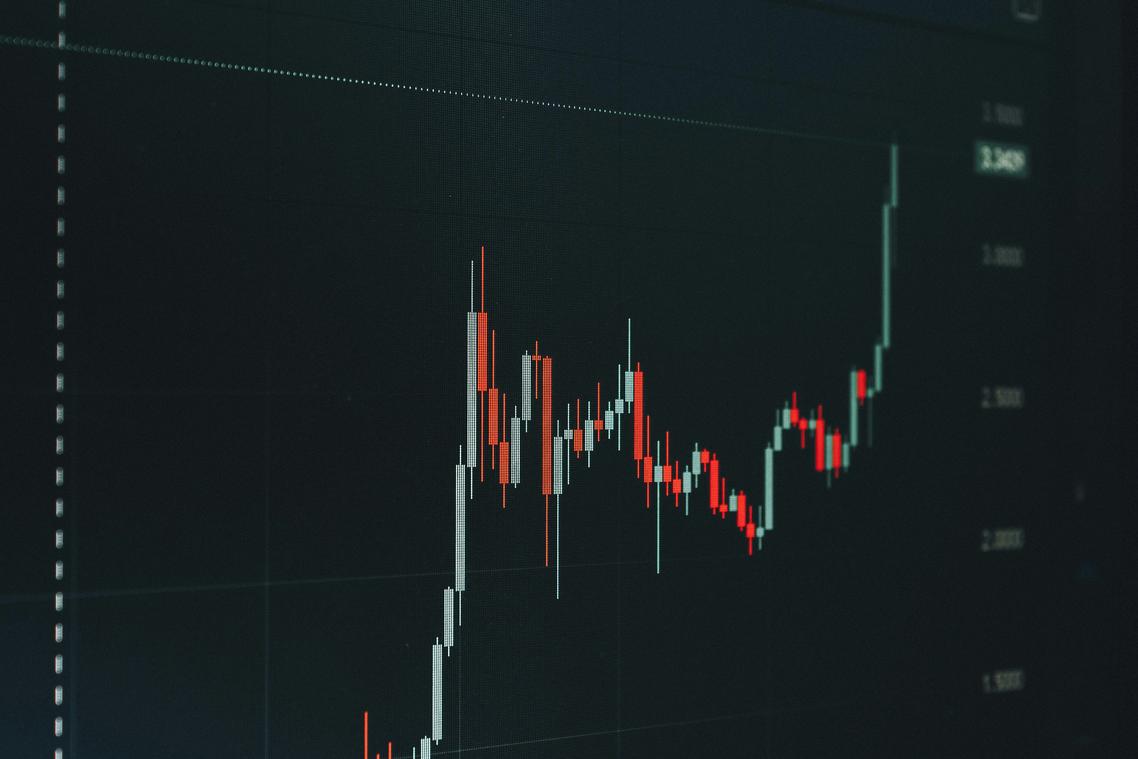
If you’re looking to better understand how volume and price momentum influence market movements, you’re in the right place. Traders and investors often struggle to identify whether a move is sustainable or just short-term noise. Without a clear grasp of how momentum builds—and fades—it’s easy to enter too late, exit too early, or misjudge risk entirely.
This article is designed to break down what volume and price momentum really signal in today’s markets, how they interact, and how you can use them to strengthen your trading and investment decisions. We’ll focus on practical interpretation, not theory, so you can apply these insights immediately.
Our analysis is grounded in real market data, established financial principles, and tested risk management frameworks. By combining technical signal evaluation with disciplined strategy, this guide will help you read momentum with greater clarity and confidence.
Price charts alone can mislead, showing movement without context. A stock may surge, yet without participation, that move can fade fast. Volume— the number of shares traded— reveals participation, while price reflects direction. When you analyze volume and price momentum together, you see conviction, not just motion.
In other words, rising prices on expanding volume suggest strength; rallies on shrinking volume hint at weakness (a bit like applause that quickly dies out).
This approach, a cornerstone of professional technical analysis, helps you spot higher-probability entries, avoid false breakouts, and manage risk with greater confidence. That edge compounds over time. Significantly.
The Foundation: What Trading Volume Actually Represents
Trading volume is the total number of shares or contracts traded for a security during a specific period. In simple terms, it tells you how many participants showed up. Think of it as the market’s attendance sheet (and yes, attendance matters).
Why Volume Is the Market’s Fuel
Price movement without volume is like a car revving in neutral. It makes noise but goes nowhere. Volume acts as fuel because it reflects participation. When a stock rises on high volume, it signals strong bullish conviction—buyers aren’t hesitating. Conversely, when price falls on high volume, that’s strong bearish conviction, with sellers eager to exit.
So what should you do with this? First, confirm breakouts with volume. If price pushes above resistance but volume is thin, be cautious. Low-volume rallies often lack broad support and are prone to reversal. The same applies to selloffs that happen quietly—they may not stick.
In contrast, sustained trends typically show alignment between volume and price momentum. That alignment suggests institutional involvement, not just retail speculation (the difference between a crowd and a flash mob).
Pro tip: Before entering any trade, compare current volume to the recent average. If participation isn’t expanding, consider waiting. Patience, here, is a strategy—not hesitation.
Key Patterns: How Price and Volume Interact to Create Signals

Price tells you what is happening. Volume tells you how much conviction is behind it. When you combine the two, patterns emerge that can dramatically improve your timing.
Trend Confirmation
First, look for confirmation. When price rises on increasing volume, it signals strong participation. In simple terms, more traders agree with the move. That’s the healthiest form of an uptrend. Think of it like a concert crowd getting louder as the band plays its biggest hit—the energy supports the direction.
Recommendation: Only add to winning positions when rising prices are supported by expanding volume. Otherwise, you may be chasing noise.
Trend Exhaustion
However, not all volume spikes are bullish. A sharp price surge paired with massive, climatic volume often signals a blow-off top—a rapid rally fueled by late buyers before a reversal. This is emotional buying at its peak.
Recommendation: When you see extreme volume after a long rally, tighten stops or scale out. Parabolic moves rarely end gently.
Volume Divergence
Next, watch for divergence. If price makes a new high but volume is lower than on the previous high, momentum is fading. This mismatch between enthusiasm and outcome is a classic warning sign.
In practice, traders tracking volume and price momentum together can often spot weakness before the chart visibly rolls over.
Accumulation Signals
During sideways ranges, higher volume on up days and lighter volume on down days suggests accumulation—quiet institutional buying. (Smart money rarely makes dramatic entrances.)
Recommendation: Consider gradual entries when this pattern appears, especially if broader trends align.
Distribution Signals
Conversely, heavy volume on down days within a range points to distribution—shares being offloaded before a decline.
To sharpen these insights, try using multi timeframe analysis to track market momentum. Aligning signals across timeframes increases reliability.
Ultimately, don’t treat volume as optional. It’s not just confirmation—it’s context.
Practical Application: Tools for Volume Analysis
Understanding volume analysis isn’t just about adding extra lines to your chart—it’s about confirming conviction behind price moves.
-
Standard Volume Bars
These are the vertical bars at the bottom of most charts. Each bar shows how many shares or contracts traded during a specific period. Compare current bars to a moving average of volume to spot anomalies. If volume suddenly spikes well above average, that signals unusual interest (and often stronger follow-through). Pro tip: Large spikes near breakout levels deserve extra attention. -
On-Balance Volume (OBV)
OBV is a cumulative indicator that adds volume on up days and subtracts it on down days. Over time, this creates a running total. If price rises and OBV rises too, the trend is confirmed. If price climbs but OBV flattens, momentum may be weakening. Think of OBV as a lie detector for trends. -
Volume-Weighted Average Price (VWAP)
VWAP calculates the average price weighted by trading volume throughout the day. Institutions often use it as a benchmark. Trading above VWAP is generally bullish; below it is bearish.
Choosing the right tool depends on context. Use VWAP for intraday bias, OBV for trend confirmation, and volume bars to assess volume and price momentum in real time.
Risk management works best when you accept a hard truth: volume is not a crystal ball. These patterns tilt probabilities; they don’t guarantee outcomes (if they did, we’d all be retired). Treat every setup as a bet with defined risk.
To avoid false signals, never trade a lone volume spike tied to breaking news. Wait for confirmation through volume and price momentum on subsequent candles.
For stop-loss placement:
- Identify a key support formed on high volume.
- Place your stop just below that level.
- Reassess if structure changes.
Pro tip: journal each trade to refine execution over time.
Price tells you what is happening; volume tells you the strength behind it. That simple idea can transform your results. By demanding volume confirmation, you filter weak breakouts and avoid costly fakeouts. Instead, you focus on moves supported by real participation. That means higher conviction, clearer timing, and smarter risk control. Open a chart of a familiar stock today. Study divergence, accumulation, and confirmation using volume and price momentum. Underline the setups that align, and ignore the rest. Practice first, trade later. Consistency here builds confidence and protects capital. The payoff is disciplined decisions backed by evidence. Not guesswork alone.
Understanding how volume confirms momentum in both bullish and bearish markets can greatly enhance your trading strategies, as discussed in our previous article, “Etrstrading Trading Tips From Etherions.
Turn Market Insight Into Confident Action
You came here to better understand how to read market signals and make smarter trading decisions. Now you have a clearer view of how volume and price momentum work together to reveal strength, weakness, and potential reversals before the crowd reacts.
The real risk isn’t volatility — it’s hesitation and uncertainty. When you ignore momentum shifts or misread volume spikes, you expose your capital to unnecessary drawdowns and missed opportunities.
The next step is simple: apply what you’ve learned consistently. Start analyzing charts with a structured approach, confirm setups with volume and price momentum, and manage risk with defined entry and exit rules.
If you’re ready to trade with greater precision and confidence, now is the time to act. Get access to proven market insights, real-time trading signal analysis, and risk management frameworks trusted by serious traders. Don’t let another high-probability setup pass you by — start refining your strategy today.
 Josephine Kieferonald is the kind of writer who genuinely cannot publish something without checking it twice. Maybe three times. They came to investment planning approaches through years of hands-on work rather than theory, which means the things they writes about — Investment Planning Approaches, Advanced Trading Signal Analysis, Market Momentum Watch, among other areas — are things they has actually tested, questioned, and revised opinions on more than once.
That shows in the work. Josephine's pieces tend to go a level deeper than most. Not in a way that becomes unreadable, but in a way that makes you realize you'd been missing something important. They has a habit of finding the detail that everybody else glosses over and making it the center of the story — which sounds simple, but takes a rare combination of curiosity and patience to pull off consistently. The writing never feels rushed. It feels like someone who sat with the subject long enough to actually understand it.
Outside of specific topics, what Josephine cares about most is whether the reader walks away with something useful. Not impressed. Not entertained. Useful. That's a harder bar to clear than it sounds, and they clears it more often than not — which is why readers tend to remember Josephine's articles long after they've forgotten the headline.
Josephine Kieferonald is the kind of writer who genuinely cannot publish something without checking it twice. Maybe three times. They came to investment planning approaches through years of hands-on work rather than theory, which means the things they writes about — Investment Planning Approaches, Advanced Trading Signal Analysis, Market Momentum Watch, among other areas — are things they has actually tested, questioned, and revised opinions on more than once.
That shows in the work. Josephine's pieces tend to go a level deeper than most. Not in a way that becomes unreadable, but in a way that makes you realize you'd been missing something important. They has a habit of finding the detail that everybody else glosses over and making it the center of the story — which sounds simple, but takes a rare combination of curiosity and patience to pull off consistently. The writing never feels rushed. It feels like someone who sat with the subject long enough to actually understand it.
Outside of specific topics, what Josephine cares about most is whether the reader walks away with something useful. Not impressed. Not entertained. Useful. That's a harder bar to clear than it sounds, and they clears it more often than not — which is why readers tend to remember Josephine's articles long after they've forgotten the headline.